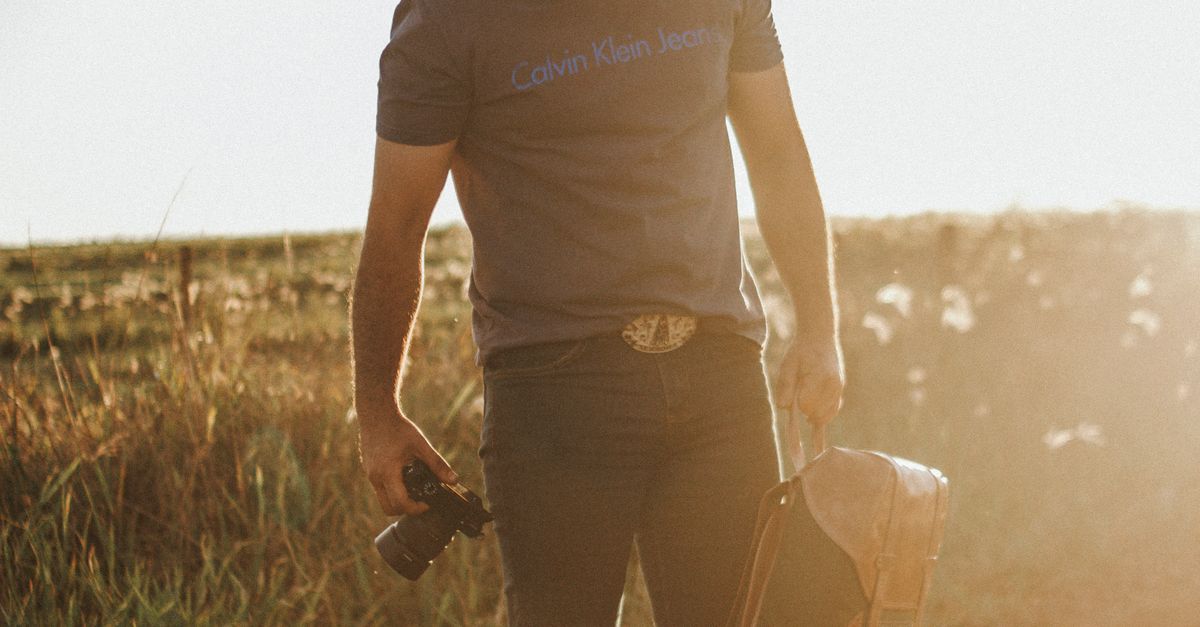
Capturing the Essence of Coffs Harbour's Wildlife in Natural Settings
Table Of Contents
Photography Tips for Capturing Wildlife
Wildlife photography requires patience and awareness of animal behaviour. Observing your subjects can lead to incredible moments, whether it’s a wombat foraging or a bird in mid-flight. Use a longer lens to maintain distance, ensuring minimal disturbance to the creatures you are capturing. The golden hour, just after sunrise or before sunset, offers soft light that enhances colours and textures in nature. This natural lighting can dramatically improve your photographs, making the subject stand out against its environment.
Consider the composition of your shots to create a sense of context. Incorporating elements from the surrounding landscape can tell a story about the animal’s habitat. Use the rule of thirds to position your subject effectively within the frame. Focusing on the eyes of the animal often draws the viewer in and adds an engaging emotional element to the image. Lastly, always have your camera settings adjusted for quick reactions because wildlife is often unpredictable. This readiness allows for capturing those fleeting instances that can define a perfect photograph.
Techniques for Stunning Wildlife Shots
Capturing stunning wildlife shots often hinges on understanding animal behaviour. Observing the subjects can lead to better positioning for a photograph. Being patient and waiting for the right moment increases the chance of catching animals in their natural state. The golden hour, shortly after sunrise or before sunset, offers soft lighting, enhancing the colours and textures in images.
Using the right equipment can also make a substantial difference. A telephoto lens allows for distant shots, reducing the risk of disturbing wildlife. A fast shutter speed can freeze motion, essential for active animals. Practising good composition techniques contributes to the overall impact of the photograph. Framing the subject within its habitat tells a story, providing context to the image while showcasing the beauty of Coffs Harbour's wildlife.
The Impact of Tourism on Local Wildlife
Tourism can play a significant role in shaping the behaviours and habitats of local wildlife in Coffs Harbour. As visitors flock to the region, the increased foot traffic can lead to disturbances in natural environments. Animals may feel threatened, causing them to alter their routines or abandon nests in search of safer surroundings. This disruption can have ripple effects on the broader ecosystem, impacting breeding patterns and food availability.
On the other hand, responsible tourism practices can positively influence wildlife conservation efforts. Eco-tourism initiatives often generate funds that support the protection of habitats and endangered species. Engaging visitors through educational programs fosters awareness about the need for conservation, encouraging them to participate in protective measures. This balance is crucial in ensuring that the allure of Coffs Harbour's wildlife does not come at the expense of its natural integrity.
Balancing Visitor Interest with Conservation Needs
Tourism has the potential to bring significant benefits to the local economy, yet it can also pose challenges to wildlife conservation efforts. As visitors flock to experience the unique biodiversity of Coffs Harbour, the pressure on natural habitats can increase, leading to potential disturbances in wildlife behaviour and disruption of breeding patterns. It is vital for tourism operators and authorities to implement strategies that minimise impact on these habitats while still providing enriching experiences for guests.
Engaging visitors in conservation efforts can foster a sense of responsibility and appreciation for the local fauna and flora. Education initiatives, such as guided eco-tours and wildlife workshops, encourage tourists to connect deeply with the environment. By creating awareness around the importance of preserving natural settings, local communities can strike a balance that ensures both visitor enjoyment and the protection of wildlife habitats for future generations.
Interactive Experiences for Wildlife Lovers
Coffs Harbour offers a variety of interactive experiences that enable wildlife enthusiasts to engage deeply with nature. Guided eco-tours allow participants to explore unique habitats while learning about the diverse species inhabiting the region. These tours often include opportunities to witness animals in their natural environment, creating unforgettable moments for participants of all ages.
Hands-on activities, such as wildlife workshops and rehabilitation centre visits, enhance the connection between visitors and local wildlife. Participants can learn about conservation efforts, observe the care of injured animals, and even assist with feeding. Educational programs catering to families often incorporate interactive elements, making it easier for children to appreciate the importance of protecting wildlife and their habitats.
Hands-On Activities to Connect with Nature
Engaging with wildlife in hands-on activities deepens the connection between visitors and nature. Many local organisations offer opportunities such as guided walks, where participants can observe indigenous species up close while learning from knowledgeable guides. Workshops on native plant identification immerse attendees in the ecosystem, fostering appreciation for the unique flora and fauna of the region.
Additionally, volunteering for conservation projects provides an enriching experience. Participants may assist in habitat restoration or wildlife monitoring efforts, directly contributing to the preservation of local species. These activities not only educate but also create a sense of community among those passionate about protecting the environment. Embracing these experiences enhances the understanding of the delicate balance within Coffs Harbour's wildlife habitats.
FAQS
What are some key photography tips for capturing wildlife in Coffs Harbour?
To capture stunning wildlife photographs, consider using a telephoto lens for close-up shots, ensure you have a fast shutter speed to freeze motion, and be patient to wait for the right moment. Early morning or late afternoon light can also enhance the quality of your images.
How does tourism impact local wildlife in Coffs Harbour?
Tourism can have both positive and negative impacts on local wildlife. While it can provide funding for conservation efforts, increased visitor numbers can also lead to habitat disruption and stress for animals. It’s crucial to adopt responsible practices when engaging with wildlife.
What are some interactive experiences available for wildlife lovers in Coffs Harbour?
Coffs Harbour offers various interactive experiences, including guided wildlife tours, educational workshops, and hands-on activities like bird feeding or animal encounters at local reserves and sanctuaries.
How can visitors balance their interest in wildlife with the need for conservation?
Visitors can help balance their interest in wildlife with conservation needs by following guidelines set by local authorities, staying on marked trails, respecting wildlife habitats, and supporting local conservation initiatives through donations or volunteering.
What types of wildlife can be commonly seen in Coffs Harbour?
Coffs Harbour is home to a diverse range of wildlife, including koalas, kangaroos, various bird species, and marine life such as dolphins and turtles. Exploring national parks and coastal areas increases your chances of spotting these animals in their natural settings.
Related Links
A Guide to Photographing Native Animals in Coffs HarbourBest Locations for Wildlife Photography in Coffs Harbour
Tips for Capturing Endangered Species in Coffs Harbour
How Weather Affects Wildlife Photography in Coffs Harbour
Essential Gear for Wildlife Photography in Coffs Harbour