Essential Gear for Rainforest Photography Adventures
Table Of Contents
Lighting Equipment
Capturing the vibrant colours and intricate details of a rainforest can be challenging due to the dappled light filter through the dense canopy. A versatile lighting setup is essential. While natural light could provide stunning results during golden hour, it often lacks the intensity needed in the shaded areas of the forest.
Incorporating flash into your gear is beneficial. On-camera flash can help to illuminate subjects effectively without overpowering the natural light. Additionally, a softbox attachment diffuses the harshness, creating a softer look that blends more subtly with the environment. Employing reflectors can also redirect available light onto your subjects, enhancing the overall quality of your images.
Effective Use of Flash and Natural Light
In rainforest photography, managing light can be particularly challenging due to the dense canopy overhead. Natural light often filters through in soft patches, creating dramatic contrasts and shadows. Photographers can leverage these variations by choosing the right times of day for their shoots, typically around early morning or late afternoon when the light is warm and gentle. Using reflectors can enhance the natural light, allowing for a balanced exposure that highlights both the subject and its environment.
Incorporating flash can also add depth and vibrancy to rainforest images. A well-positioned flash can light up understorey plants and illuminate details that natural light struggles to touch. Off-camera flash techniques provide further versatility, allowing photographers to highlight specific subjects while keeping the background slightly underexposed. Balancing flash and ambient light offers a dynamic range, creating stunning and textured photographs that capture the richness of the rainforest environment.
Personal Gear for Comfort
Comfort plays a vital role during extended hours spent in the rainforest. Choosing appropriate clothing can make a significant difference. Lightweight, moisture-wicking fabrics help to keep you dry and comfortable as humidity levels rise. Quick-drying materials are essential when traversing wet terrain. Long-sleeved shirts and trousers provide protection from both the sun and insects, which tend to thrive in such environments. Proper footwear is equally important; waterproof hiking boots with good grip enhance stability on slippery surfaces.
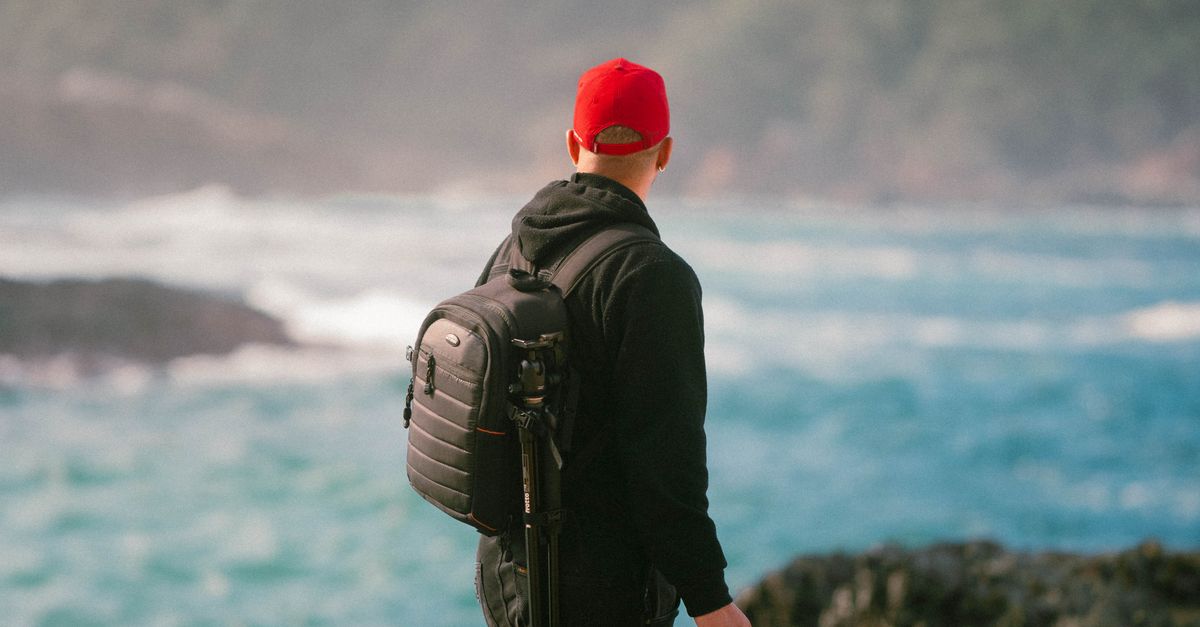
Carrying a lightweight, well-designed backpack ensures easy access to your gear while keeping your hands free. Look for one with adjustable straps and sufficient padding for added comfort during long treks. Incorporating sunscreen and insect repellent into your personal gear is essential for protecting your skin. Adequate hydration is key to maintaining energy levels throughout the day, so carrying a refillable water bottle or hydration pack is advisable. Prioritising comfort will allow you to immerse yourself in the beauty of the rainforest without distraction.
Clothing Choices for Rainforest Conditions
When venturing into the rainforest for photography, it is vital to wear clothing that provides both protection and comfort. Lightweight, breathable fabrics are ideal, as they help regulate body temperature in humid conditions. Opt for moisture-wicking materials that can keep you dry while also providing UV protection. Long sleeves and pants offer added protection against insects and prickly vegetation, reducing the likelihood of bites and scratches.
Choosing the right footwear is equally important. Waterproof boots with good traction will support your movements across slippery and uneven terrain. Consider wearing socks that wick moisture away and prevent blisters. Accessories such as a wide-brimmed hat and sunglasses offer additional protection from the sun while keeping you comfortable during long hours of exploration. Dressing in layers can help you adapt to sudden changes in weather, ensuring you remain prepared for whatever the rainforest may throw at you.
Navigation Tools
Being well-prepared with navigation tools is crucial when exploring the dense and often confusing layout of a rainforest. Traditional maps can be incredibly helpful when familiarising oneself with the terrain, as they provide a physical overview of the area and key landmarks to look out for. However, the dense canopy can obstruct views and make it challenging to rely solely on paper maps, especially in low-light conditions or during downpours.
Incorporating GPS technology adds another layer of reliability to your navigation strategy. Handheld GPS devices can offer precise location tracking, making it easier to navigate through the thick foliage. Additionally, many GPS units come equipped with pre-loaded topographic maps, which can help identify elevation changes and water sources. Emphasising the importance of having backups, consider downloading offline maps on your smartphone, ensuring access to vital information even when mobile reception is lacking.
Using Maps and GPS in Dense Forests
In the heart of a rainforest, dense foliage can obscure traditional navigation landmarks. Relying on maps can be challenging due to the intricate web of trails that often lead nowhere or become tangled among thick undergrowth. Topographic maps detailing elevation changes and water bodies become invaluable tools for photographers exploring these environments. Understanding the terrain can aid in identifying potential vantage points for stunning photographs, while also providing a sense of direction amidst the greenery.
Global Positioning System (GPS) devices serve as vital companions on rainforest photography expeditions. These devices can pinpoint exact locations, allowing photographers to return to specific spots that offer the best lighting and subject matter. However, GPS signals can sometimes falter in areas with heavy canopy coverage. Carrying backup options, such as a physical map or compass, can ensure continued navigation when technology fails or batteries run low.
FAQS
What lighting equipment is essential for rainforest photography?
Essential lighting equipment for rainforest photography includes a reliable flash, reflectors, and diffusers to help manage the harsh contrasts of natural light and illuminate subjects effectively.
How can I effectively use flash and natural light in rainforest photography?
To effectively use flash, consider bouncing it off surrounding foliage to create soft illumination. It's also important to balance flash with natural light by adjusting your camera settings to capture the ambient light while using flash to highlight your subject.
What personal gear should I consider for comfort during rainforest photography?
Personal gear for comfort includes moisture-wicking clothing, sturdy waterproof boots, a wide-brimmed hat for sun protection, and a lightweight, breathable rain jacket to handle the humid and wet conditions.
What clothing choices are best for rainforest conditions?
Opt for quick-drying, breathable fabrics that offer UV protection. Layering is key, so include a moisture-wicking base layer, an insulating layer for cooler temperatures, and a waterproof outer layer to keep dry.
What navigation tools are recommended for exploring dense forests?
Recommended navigation tools include a reliable GPS device, high-quality topographic maps, and a compass. Combining these tools can help you stay oriented in the dense and often confusing rainforest environment.
Related Links
The Role of Light in Rainforest PhotographyThe Best Times for Rainforest Photography in Coffs Harbour
A Beginner's Guide to Rainforest Photography in Coffs Harbour
Seasonal Changes in Coffs Harbour Rainforest Photography
Wildlife Encounters: Photographing Flora and Fauna in Coffs Harbour Rainforests
Post-Processing Tips for Rainforest Images